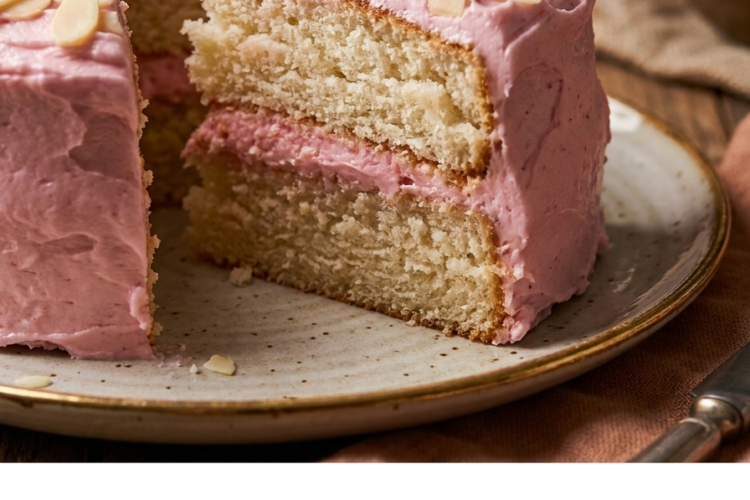
🤍 White Almond Cake with Almond Buttercream Frosting
Soft, Fluffy, Elegant, and Filled with Delicate Almond Flavor
This White Almond Cake is soft, tender, and absolutely unforgettable! With its delicate white crumb, rich buttery flavor, and beautiful almond aroma, this elegant cake is perfect for birthdays, weddings, anniversaries, baby showers, holidays, and any celebration that calls for something truly special.
Made with fluffy egg whites, cake flour, butter, sour cream, and a touch of almond extract, each bite is wonderfully moist and light. The finishing touch is a silky almond buttercream frosting that complements the cake’s subtle sweetness without overpowering its delicate flavor.
Whether you decorate it simply with smooth frosting or finish it with sliced almonds and elegant piped details, this homemade white almond cake looks beautiful and tastes even better.
Recipe Details
- Prep Time: 25 minutes
- Bake Time: 25–30 minutes
- Cooling Time: 1 hour
- Frosting and Decorating: 20 minutes
- Total Time: Approximately 2 hours 15 minutes
- Yield: One three-layer 8-inch cake, serving 12–16
- Course: Dessert
- Cuisine: American-inspired
- Difficulty: Moderate
- Baking Method: Oven
Ingredients
For the White Almond Cake
- 3 cups (330–360 g) cake flour, sifted
- 2 teaspoons baking powder
- ½ teaspoon baking soda
- ½ teaspoon salt
- 1 cup (227 g) unsalted butter, softened
- 2 cups (400 g) granulated sugar
- 5 large egg whites, at room temperature
- 1 tablespoon (15 ml) almond extract
- 1 teaspoon (5 ml) vanilla extract
- 1 cup (240 ml) whole milk, at room temperature
- ½ cup (120 g) sour cream, at room temperature
For the Almond Buttercream Frosting
- 1½ cups (340 g) unsalted butter, softened
- 5 cups (600 g) powdered sugar, sifted
- 1–2 teaspoons almond extract, to taste
- 1 teaspoon vanilla extract
- 3–5 tablespoons (45–75 ml) heavy cream or whole milk
- A small pinch of salt
Optional Decoration
- ½ cup (45–50 g) sliced almonds, lightly toasted and cooled
- White chocolate curls
- Extra buttercream for piping
- A few edible flowers or white sugar pearls
Instructions
Step 1: Prepare the Oven and Cake Pans
Preheat your oven to 350°F (175°C).
Grease three 8-inch round cake pans with butter or baking spray. Line the bottoms with parchment paper to make releasing the cakes easier.
If you have only two pans, bake the cake in batches, keeping any remaining batter at room temperature for as short a time as possible.
Measure all your ingredients before starting. Allow the butter, egg whites, milk, and sour cream to come to room temperature so they blend smoothly into the batter.
Step 2: Combine the Dry Ingredients
In a medium bowl, sift together the cake flour, baking powder, baking soda, and salt.
Whisk gently to distribute the raising agents evenly throughout the flour. Set aside.
Why this matters: Cake flour produces a finer, softer crumb than ordinary all-purpose flour. Sifting also helps prevent lumps and creates a more evenly textured cake.
Step 3: Cream the Butter and Sugar
In a large mixing bowl, beat the softened butter with an electric mixer on medium speed for about 2–3 minutes, until smooth and creamy.
Gradually add the granulated sugar and continue beating for another 3–4 minutes, scraping down the sides of the bowl as necessary.
The mixture should look pale, light, and fluffy. This step incorporates air that helps give the cake its tender texture.
Avoid using melted butter. Properly softened butter should give slightly when pressed but should not look greasy or liquid.
Step 4: Add the Egg Whites and Extracts
Add the egg whites gradually, one at a time, beating well after each addition.
Once the egg whites are incorporated, mix in the almond extract and vanilla extract until evenly combined.
The mixture may look slightly curdled if the ingredients are too cold, but it should become more uniform as you add the remaining ingredients.
Using egg whites rather than whole eggs helps preserve the cake’s elegant, pale color while producing a soft, delicate crumb.
Step 5: Alternate the Dry Ingredients with the Milk
With the mixer on low speed, add approximately one-third of the flour mixture to the butter mixture and mix just until incorporated.
Add half of the milk and mix gently. Continue with another third of the flour mixture, the remaining milk, and finally the last portion of flour.
Mix only until the ingredients are combined. Scrape the sides and bottom of the bowl with a spatula to ensure no pockets of dry flour remain.
Important: Overmixing can develop excess gluten and make the cake less tender.
Step 6: Fold in the Sour Cream
Add the room-temperature sour cream and gently fold it into the batter using a spatula.
Mix until smooth and evenly combined, stopping as soon as no streaks of sour cream remain.
The sour cream adds moisture, richness, and a subtle tang that balances the sweetness of the cake.
The finished batter should be thick, smooth, and fluffy.
Step 7: Divide and Bake
Divide the batter evenly among the three prepared cake pans. Smooth the tops with a spatula so the layers bake evenly.
Bake for 25–30 minutes, checking the cakes toward the end of the baking time.
The cakes are ready when the tops spring back lightly when touched and a toothpick inserted into the center comes out clean or with a few moist crumbs.
Avoid opening the oven door repeatedly during the first 20 minutes, as sudden temperature changes can affect the rise.
If your oven has hot spots, rotate the pans near the end of baking only if needed.
Step 8: Cool the Cake Layers
Remove the pans from the oven and allow the cakes to cool in their pans for 10–15 minutes.
Run a thin knife around the edges if necessary, then carefully turn the cakes out onto wire racks. Remove the parchment paper and let the layers cool completely.
Do not frost the cakes while they are warm. Even slightly warm cake can soften the buttercream and cause it to slide.
For especially neat layers, wrap the completely cooled cakes and refrigerate them for 30–60 minutes before frosting.
Step 9: Prepare the Almond Buttercream
Place the softened butter in a large mixing bowl. Beat on medium speed for 3–4 minutes, scraping down the bowl as needed, until the butter becomes pale and creamy.
Add the sifted powdered sugar gradually, mixing on low speed after each addition to prevent a cloud of sugar from escaping the bowl.
Once the sugar is incorporated, add 1 teaspoon almond extract, the vanilla extract, and a small pinch of salt.
Beat until fluffy, then add the heavy cream or milk, one tablespoon at a time, until the frosting reaches a smooth, spreadable consistency.
Taste the frosting and add more almond extract if desired. Almond extract is potent, so increase it gradually to keep the flavor balanced.
Beat for another 1–2 minutes on low to medium-low speed to create a silky texture.
Frosting tip: If the buttercream is too thick, add a little more cream. If it becomes too soft, refrigerate it briefly or beat in a little more sifted powdered sugar.
Step 10: Assemble the Cake
Place the first completely cooled cake layer on a cake stand or serving plate.
Spread an even layer of almond buttercream over the surface, reaching close to the edges. Place the second cake layer on top and repeat.
Add the final cake layer, positioning it flat-side up for a neat finish.
Spread a thin layer of buttercream over the top and sides to create a crumb coat. Refrigerate for 15–20 minutes to help the crumbs set.
Once the crumb coat feels firm, apply the remaining buttercream in an even layer over the entire cake.
Use an offset spatula or cake scraper to smooth the sides and top, or create decorative swirls for a more rustic finish.
Step 11: Decorate and Serve
Finish the cake with toasted sliced almonds around the sides, a few white chocolate curls, or piped buttercream around the top edge.
For a clean, elegant presentation, keep the decoration simple and let the white cake and creamy frosting stand out.
Refrigerate the finished cake briefly if needed to help the frosting set. Before serving, let the slices sit at room temperature for approximately 20–30 minutes so the buttercream softens and the almond flavor becomes more pronounced.
Slice with a sharp knife, wiping the blade clean between cuts.
Enjoy a soft, buttery slice of homemade white almond cake with your favorite coffee, tea, or a glass of cold milk.
Expert Tips for the Best White Almond Cake
Measure the flour carefully. Too much flour can make the cake dry or dense. For the most accurate results, weigh the flour. If using measuring cups, spoon the flour into the cups and level it without packing.
Use room-temperature ingredients. Room-temperature egg whites, milk, sour cream, and butter combine more evenly, resulting in a smoother batter and more consistent texture.
Cream the butter and sugar thoroughly. Giving this mixture several minutes to become pale and fluffy helps create a lighter cake.
Do not overmix the batter. Once the flour is added, mix gently and only until combined.
Use good-quality almond extract. It gives the cake its signature flavor. Because almond extract varies in strength, taste the frosting before adding extra.
Let the layers cool completely. This prevents melting buttercream and makes assembly easier.
Chill before decorating. Slightly chilled layers are easier to stack and frost, especially when making a three-layer celebration cake.
Toast the almonds gently. If using sliced almonds as decoration, toast them in a dry skillet over low heat or in a moderate oven until fragrant and lightly golden. Let them cool completely before adding them to the frosting.
Delicious Variations
🤍 Classic White Wedding Almond Cake
Keep the frosting smooth and white, add delicate buttercream piping, and decorate with white chocolate curls or edible pearls. This version is beautiful for weddings, engagements, anniversaries, and elegant celebrations.
🍓 White Almond Cake with Raspberry Filling
Spread a thin layer of seedless raspberry jam over each buttercream filling layer before stacking the next cake layer. Keep the jam away from the edges to prevent it from squeezing out. The fruity tartness pairs wonderfully with the sweet almond cake.
🍑 Almond Cake with Fresh Fruit
Serve slices with fresh raspberries, strawberries, or peaches. For a layered cake, use a thin layer of fruit preserves rather than fresh juicy fruit directly against the cake, which can make the layers slippery.
🥥 Almond Coconut Cake
Add ½–¾ cup (40–60 g) finely shredded sweetened coconut to the batter, or sprinkle toasted coconut over the finished frosting. The coconut brings extra texture and a subtle tropical flavor.
🍋 Lemon Almond Cake
Add 1 teaspoon finely grated lemon zest to the batter. The brightness of the lemon balances the almond flavor and creates a refreshing variation.
🧁 White Almond Cupcakes
Divide the batter among paper-lined muffin cups, filling each about two-thirds full. Bake at 350°F (175°C) for approximately 18–23 minutes, checking for doneness with a toothpick. Cool completely before piping on the almond buttercream.
🍫 White Almond Chocolate Cake
Drizzle the frosted cake with melted white chocolate or add thin white chocolate shavings. For contrast, serve slices with a few dark chocolate curls or fresh berries.
What to Serve with White Almond Cake
This elegant cake pairs beautifully with:
- Fresh strawberries, raspberries, or blueberries
- A berry compote or raspberry sauce
- Vanilla ice cream
- Lightly sweetened whipped cream
- Hot coffee or espresso
- Earl Grey or jasmine tea
- Cold milk or a mild almond beverage
For a celebration, serve the cake on a white platter and surround it with fresh berries. This adds a pop of color while keeping the presentation simple and elegant.
Make-Ahead and Storage Instructions
Room Temperature
If the cake has not been frosted, wrap the cooled layers tightly and store them at room temperature for up to 1–2 days in a cool environment.
Because the buttercream contains butter and the cake may be served with additional perishable fillings, refrigeration is the safest choice for longer storage, especially in warm weather.
Refrigerator
Store the frosted cake in an airtight cake container or cover it carefully and refrigerate for up to 4–5 days.
Before serving, let the cake sit at room temperature for 20–30 minutes, depending on the room temperature and slice size, so the frosting softens.
Freezer
The unfrosted cake layers freeze particularly well. Wrap each completely cooled layer tightly in plastic wrap, then place it in a freezer-safe bag or container. Freeze for up to 3 months for best quality.
Thaw the wrapped layers in the refrigerator overnight before assembling.
Buttercream can also be frozen separately in an airtight container. Thaw it in the refrigerator, let it soften slightly, and beat it again until smooth before using.
Make-Ahead Tip
Bake the layers a day ahead and keep them well wrapped. Prepare the buttercream separately and refrigerate it in a covered container. Before decorating, allow the buttercream to soften and beat it briefly to restore its creamy consistency.
Frequently Asked Questions
Why is my white almond cake not white?
The butter, vanilla, and almond extract can give the crumb a slightly warm or ivory tone. Egg whites help keep the cake lighter than recipes made with whole eggs. For the palest appearance, use a clear vanilla flavoring instead of dark vanilla extract, if desired.
Can I use all-purpose flour instead of cake flour?
Cake flour is preferred because it produces a finer, softer crumb. If you must use all-purpose flour, the cake may be slightly less delicate. For best results, use a kitchen scale and avoid adding too much flour.
Can I use whole eggs instead of egg whites?
You can, but the cake will have a more yellow crumb and a slightly different texture. The recipe is designed around egg whites to create its signature pale color and light texture, so replacing them may change the result.
Can I make this cake in two 9-inch pans?
Yes, although the layers will be thicker and the baking time may differ. Divide the batter evenly and begin checking for doneness around 25–30 minutes. The exact time depends on pan depth and your oven.
Why did my cake turn out dense?
Common causes include too much flour, insufficient creaming of the butter and sugar, overmixing after the flour was added, or expired baking powder or baking soda. Measure ingredients carefully and follow the mixing steps.
Why is my buttercream too sweet?
Almond buttercream is naturally rich and sweet. Make sure you include the small pinch of salt, and consider adding a little extra vanilla or a few drops of lemon juice for balance. You can reduce the powdered sugar modestly, but the frosting may become softer and less stable.
Can I make the cake without sour cream?
Plain full-fat Greek yogurt is a suitable substitute in the same quantity. It provides similar moisture and a slight tang, although the final texture may differ a little.
How do I get smooth frosting on the sides?
Start with a thin crumb coat and chill the cake until firm. Apply the final layer of buttercream, then smooth it with a cake scraper while rotating the cake stand. Slightly warming the scraper in hot water and drying it thoroughly can help achieve a polished finish.
Estimated Nutrition Information
Nutrition varies depending on the amount of frosting, the number of servings, and any additional fillings or decorations.
As a rough estimate, one slice of this three-layer cake, when divided into 16 servings, may contain approximately 450–600 calories. This is an estimate rather than a laboratory-tested nutrition value.
Final Thoughts
This White Almond Cake is the perfect combination of elegance and homemade comfort. Its soft, tender crumb, delicate almond aroma, and silky almond buttercream make every slice feel special.
Whether you’re baking for a birthday, wedding, holiday, or a simple family celebration, this cake is a beautiful dessert that can be dressed up or kept wonderfully simple.
Bake it ahead, frost it with love, and finish it with a handful of toasted almonds for a classic look.
Soft, buttery, beautifully almond-flavored—one slice is never quite enough! 🤍🍰