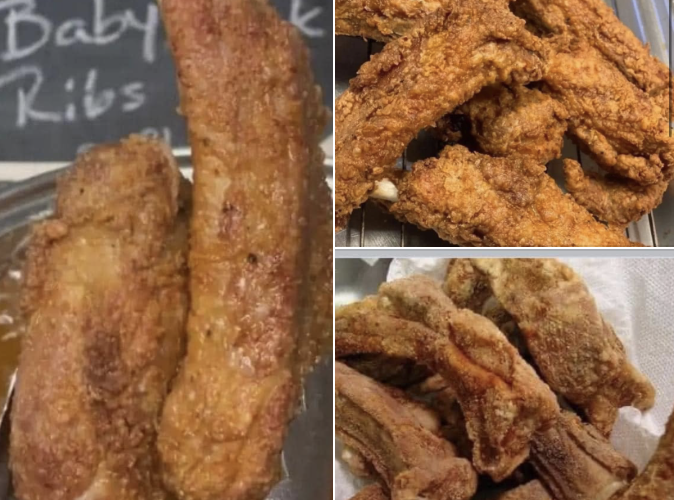
Deep-fried ribs combine the crunch of classic Southern fried chicken with the rich, savory succulence of tender pork ribs. When done right, each individual rib features an ultra-crisp, seasoned crust that shatters on bite, revealing juicy, pull-apart meat underneath.
Frying ribs directly from raw can easily lead to a burnt crust and tough meat because pork ribs are packed with dense collagen and connective tissue. Achieving fall-off-the-bone tenderness with a crispy exterior requires understanding the dual-stage cooking method: tenderizing the meat through a low-temperature braise, steam, or buttermilk soak, followed by a fast high-heat flash-fry.
The Culinary Mechanics of Deep-Fried Ribs
- Collagen Breakdown (Why Raw Frying Fails): Pork ribs contain abundant intramuscular collagen. Collagen only hydrolyzes into silky gelatin when held at $160\text{°F}$–$190\text{°F}$ over an extended period. Flash-frying raw ribs in 8 to 10 minutes at $350\text{°F}$ sets the exterior meat rapidly while leaving the dense connective tissue tight and chewy. Pre-simmering, steaming, or using an extended acidic buttermilk marinade breaks down those tough fibers before the ribs ever hit the hot oil.
- The Cornstarch-to-Flour Ratio: Using a 2:1 ratio of all-purpose flour to cornstarch creates an ultra-crisp shell. Cornstarch contains pure amylose, which forms a brittle, glass-like coating upon frying that stays crunchy even when tossed in warm barbecue sauce.
- Removing the Silver Skin (Peritoneum): The thin, papery membrane on the bone side of the ribs does not break down during cooking and prevents seasoning from penetrating the meat. Peeling it off before slicing ensures every bite is tender and seasoned through to the bone.
- Buttermilk Lactic Acid Tenderization: The natural lactic acid and calcium in buttermilk gently break down muscle fibers without turning the meat mushy (unlike harsh citrus marinades), while providing the perfect sticky adhesive base for the flour dredge.
Complete Ingredients Breakdown
For the Ribs & Dry Rub:
- 2 to 3 lbs (1 to 1.4 kg) pork baby back ribs or St. Louis spare ribs
- 1 tablespoon coarse kosher salt
- 1 tablespoon freshly cracked black pepper
- 1 tablespoon garlic powder
- 1 tablespoon onion powder
- 1 tablespoon smoked paprika
- 1 tablespoon light brown sugar
- 1 teaspoon cayenne pepper (optional, for heat)
For the Buttermilk Soak:
- 1 to 1 ½ cups cold whole buttermilk
- 1 tablespoon hot sauce (such as Crystal or Tabasco, optional)
For the High-Crunch Seasoned Breading:
- 1 cup (125 g) all-purpose flour
- ½ cup (65 g) cornstarch
- 1 tablespoon garlic powder
- 1 tablespoon sweet or smoked paprika
- 1 teaspoon fine sea salt
- 1 teaspoon freshly ground black pepper
- 1 teaspoon cayenne pepper (optional)
For Frying & Serving:
- Neutral frying oil (peanut, vegetable, or canola oil; enough for 2–3 inches depth)
- Warm barbecue sauce, honey hot sauce, or ranch, for dipping or tossing
Step-by-Step Master Instructions
1. Trim, Peel, and Slice
- Pat the rack of ribs completely dry with paper towels.
- Slide a dull butter knife under the thin membrane (silver skin) on the back of the bones. Grab the edge with a paper towel for grip and peel it off the entire rack in one steady pull.
- Using a sharp chef’s knife, slice between the bones into individual single-rib portions.
2. Season and Marinate
- In a small bowl, whisk together the 1 tbsp salt, 1 tbsp black pepper, 1 tbsp garlic powder, 1 tbsp onion powder, 1 tbsp smoked paprika, 1 tbsp brown sugar, and 1 tsp cayenne pepper.
- Coat the individual ribs thoroughly with the spice rub on all sides, pressing the spices into the meat.
- Place the seasoned ribs in a large bowl or zip-top bag. Pour the buttermilk and hot sauce over the ribs, ensuring every piece is coated.
- Refrigerate for at least 2 to 4 hours (overnight is best) to tenderize the meat.
3. Pro Tenderizing Alternative (The Par-Steam Method)
For Fall-Off-The-Bone Tenderness: If you prefer ribs that pull cleanly off the bone with zero chew, arrange the seasoned dry-rubbed ribs on a baking sheet, cover tightly with foil, and bake at 300°F (150°C) for 60 to 75 minutes until tender. Let them cool, dip in buttermilk, and proceed to the flour dredge!
4. Dredge and Rest
- In a wide, shallow dish, whisk together the 1 cup flour, ½ cup cornstarch, 1 tbsp garlic powder, 1 tbsp paprika, 1 tsp salt, 1 tsp black pepper, and 1 tsp cayenne.
- Remove the ribs from the buttermilk marinade one by one, letting excess buttermilk drip off.
- Dredge each rib in the flour mixture, pressing firmly to adhere the coating into all crevices.
- Transfer the breaded ribs to a wire cooling rack and let them rest for 10 minutes before frying. (This lets the flour hydrate with the marinade, preventing the breading from sloughing off in the oil).
5. Heat the Frying Oil
Pour 2 to 3 inches of oil into a large Dutch oven or deep cast-iron skillet. Heat over medium-high until a digital deep-fry thermometer registers 350°F (175°C).
6. Deep-Fry in Batches
- Carefully lower 3 to 4 ribs into the hot oil. Avoid overcrowding to keep the oil temperature from dropping below $325\text{°F}$.
- Fry for 8 to 10 minutes (if using pre-tenderized/par-cooked ribs, fry for 4 to 5 minutes), turning occasionally with metal tongs until the crust is deeply golden-brown and crackling.
- Check internal temperature with an instant-read thermometer: pork should register at least 145°F (63°C)for basic safety, though ribs are juiciest and most tender around 185°F–195°F when braised/marinated properly.
7. Drain, Rest, and Glaze
- Transfer the fried ribs to a clean wire cooling rack set over a baking sheet (avoid draining directly on paper towels to preserve crispiness).
- Let them rest for 3 minutes.
- Serve hot as-is for maximum crunch, or toss immediately in warm barbecue sauce or spiced honey butter before plating.
Pro-Chef Tips & Troubleshooting
- Keeping the Crust Attached: The 10-minute rest after dredging is essential. It allows the starches to form a sticky bond with the meat, preventing the crust from ballooning away and cracking off during frying.
- Oil Temperature Recovery: Always bring your oil back up to 350°F between batches. Dropping ribs into cool oil makes the breading absorb grease and turn soggy.
- Make-Ahead Strategy: You can pre-cook and season the ribs a day ahead, refrigerate them, and simply dredge and flash-fry them right before game time for fresh, hot finger food in under 10 minutes.